Hydrotechnical works
Hydrotechnical works
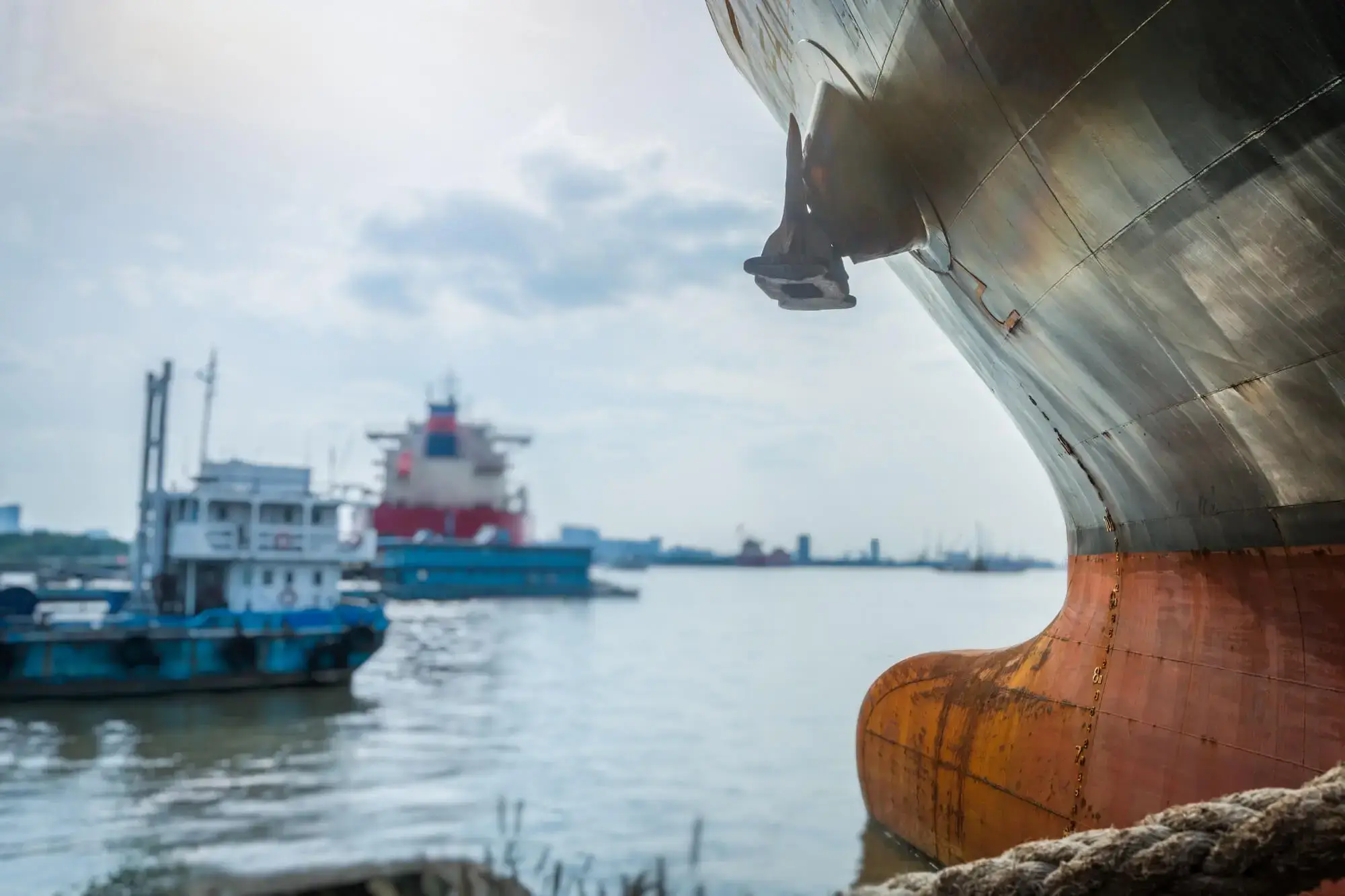
Hydrotechnical works are those all activities in the field of water or inland water construction that enable the smooth functioning of water management and improve its efficiency. The wide range of hydrotechnical works includes the construction, expertise, repair, servicing of, among others, wharves, piers, bridges, dams and all hydrotechnical structures, which are regulated by the Regulation of the Minister of Environment of April 20, 2007 on the technical conditions to be met by hydrotechnical structures and their location.
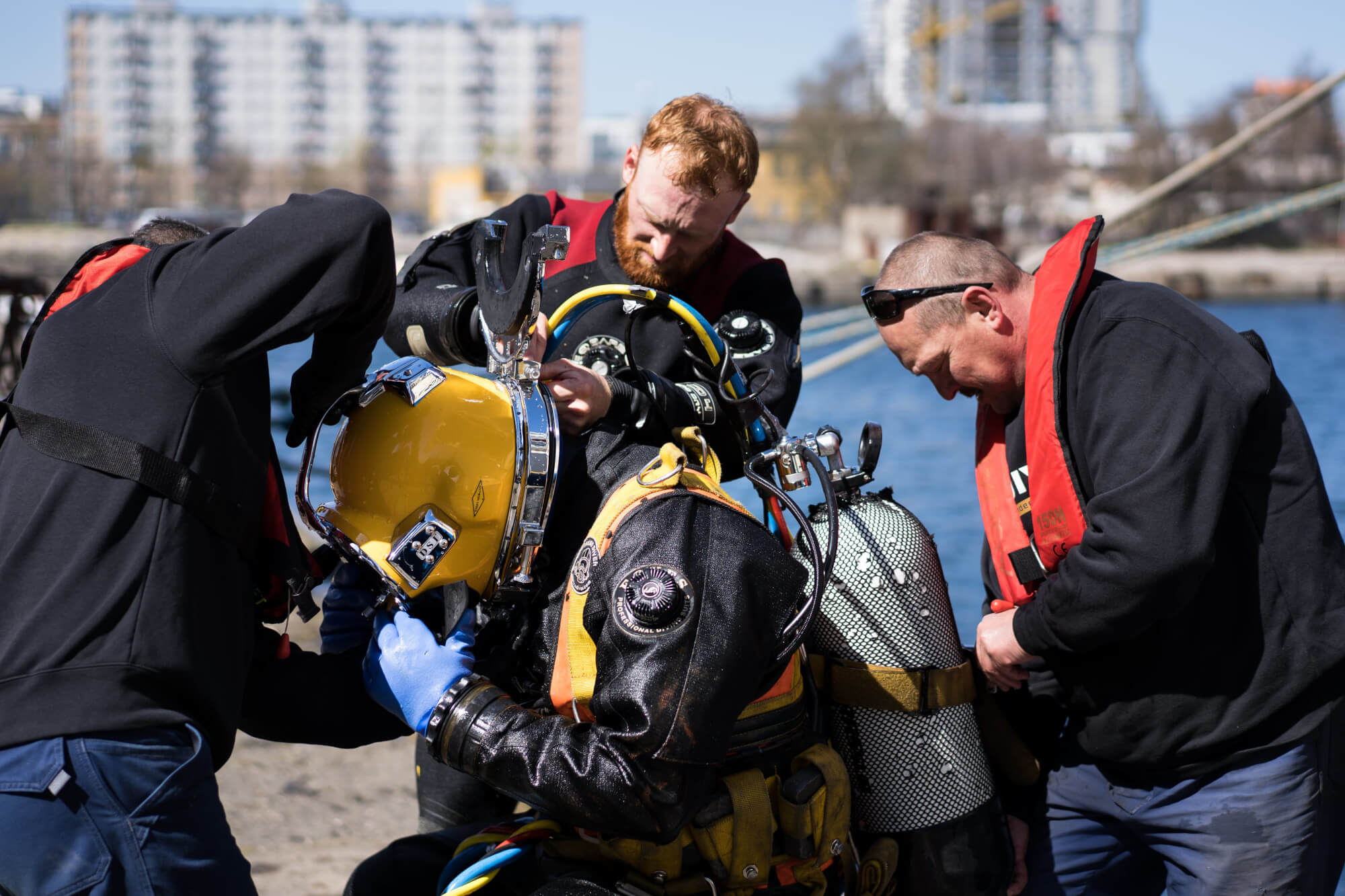
Performing hydrotechnical works requires expert knowledge, specialized skills and precision. DIVAL takes on the challenges of all hydrotechnical works – welding, sealing injections of hydrotechnical structures, technical condition assessments of hydrotechnical structures. DIVAL provides support for the investment from the performance of expertise and design to the implementation of the execution of hydrotechnical works.
DIVAL team has all the necessary approvals and certificates to perform hydrotechnical works in the broad sense. We have specialized equipment, proven materials and knowledge and experience based on many years of practice. We guarantee activities at the highest level. DIVAL also offers realization of pre- and post-construction audiovisual materials. We invite you to cooperate with us!
Underwater welding
Diving into the depths of the sea reveals a world of mysteries and wonders. But have you ever wondered how structures beneath the water’s surface are built or repaired?
See more!Underwater cutting
One of the most advanced techniques performed in aquatic environments, enabling precise cutting and removal of elements located beneath the water’s surface.
See more!Laying of gabions
DIVAL provides professional laying of gabions for hydrotechnical, shoreline and slope protection projects. Gabion structures are widely used to reinforce embankments, riverbanks, quays and areas exposed to erosion or water impact.
Concrete reprofiling
Concrete reprofiling is used to restore the proper shape, strength and functionality of damaged concrete elements in hydrotechnical structures. It is an important repair method for quays, piers, dams, retaining walls, bridges and other structures exposed to water, frost, pressure and corrosion.
 +48 780 153 170
 biuro@dival.pl
 ul. Szafarnia 11/lok. F8, 80-755 Gdańsk
 ul. Na Ostrowiu 1, 80-873 Gdańsk
 +48 780 153 170
 biuro@dival.pl